
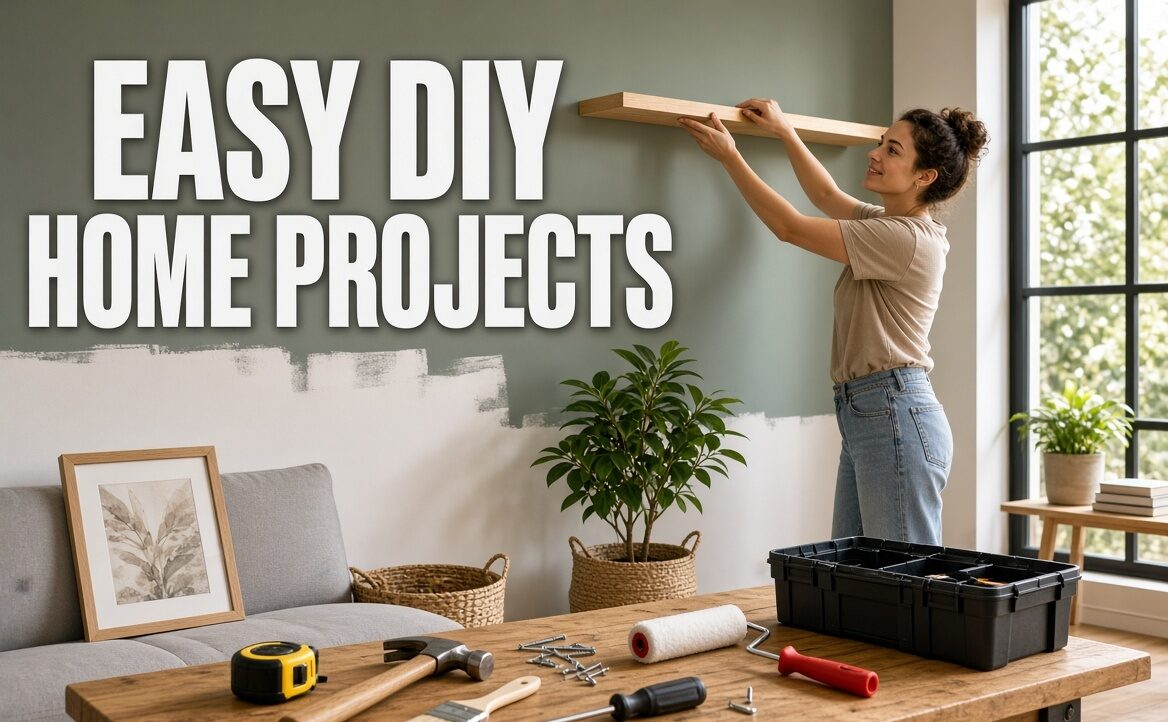
okay so i have to be honest with you “What are the easiest DIY home projects for beginners?” — i was the person who called a handyman to change a lightbulb. not even kidding. well okay i changed the bulb myself but the fixture was loose and i just stood there for twenty minutes staring at it like it was gonna explain itself to me. eventually i just left it. taped a note on the wall that said “loose.” my roommate found it three weeks later and fixed it in four minutes with a screwdriver.
that was my lowest point.
so yeah, when people ask me what beginner DIY projects to start with, i feel like i actually have something to say. because i started from genuinely zero. and i don’t mean “i was bad at it” — i mean i didn’t own a single tool. i once used a butter knife to tighten a cabinet hinge. it worked, actually. but still.
here’s the thing though. once i started doing small stuff around the house, something clicked. it’s not that i became some DIY god overnight. i didn’t. i still mess up. but i stopped feeling like my house was just happening to me instead of being something i could actually, like, touch and change. that sounds corny but i mean it.
so here are the things i actually started with. stuff that doesn’t require you to know anything, own anything expensive, or watch seventeen YouTube tutorials first.
Painting a Room or even just a Wall
this is the one. this is where i’d tell literally everyone to start. painting feels scary because you think you’re gonna ruin everything but you’re not. the walls are already there. worst case you do another coat.
what i didn’t know when i started: the prep is literally 80% of the job. tape your edges, wipe down the wall (there’s always more dust than you think, it’s disgusting), put down a drop cloth even if you think you’ll be careful, because you won’t be. i dripped paint on my dog once. he looked at me like i’d betrayed him.
get a decent roller, not a fancy one, just not the cheapest one in the bin because those shed little fuzz pieces into your paint and then you have textured walls but not in a cool way. do two coats. let the first one dry fully. the end result looks so different from what you started with and you feel like an actual person who does things.
i started with an accent wall in my bedroom. just one wall, dark green. felt terrifying. now that wall is my favorite thing in my apartment and i tell everyone about it unprompted. they don’t care but i do.
Putting up Shelves
okay this one has a learning curve but it’s a very short curve. like a small hill, not a curve.
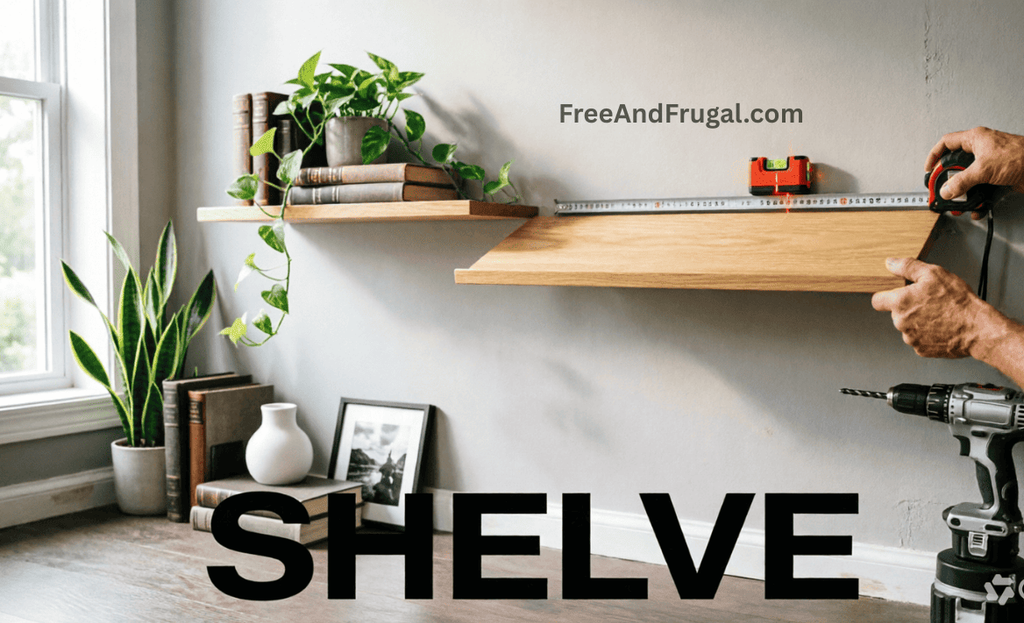
the key is finding the studs. there’s an app for this and also a cheap stud finder from the hardware store. what you do NOT want to do is what i did first, which was just drill wherever i thought looked good. i put three holes in a wall before realizing i’d missed the stud entirely all three times. the fourth one held. barely. i moved out of that apartment and i still think about those holes.
once you know where the studs are, you drill in your brackets, check that they’re level (the little bubble thing on a level — just get a level, they’re like four dollars), then put your shelf on. done. it takes maybe 30 minutes once you’ve done it once.
the reason this matters: shelves change a room. empty walls feel sad and unused. shelves make a space feel like someone thought about it. plus storage. i have so many plants now because i have somewhere to put them. this is related.
Also Read : How do I Start a small Vegetable Garden at Home?
Fixing a Running Toilet
this sounds so much more intimidating than it is. i’m putting it on the beginner list because i fixed mine on my second ever attempt at home DIY and i had never thought about what was inside a toilet tank before in my life.
most of the time a running toilet is the flapper. the flapper is a little rubber piece at the bottom of the tank that controls water flow. they wear out. they cost like three dollars at the hardware store. you turn off the water supply valve (the knob at the back near the floor), flush to empty the tank, unhook the old flapper, hook in the new one, turn the water back on.
that’s it. that’s the whole job. it took me eleven minutes including the time i spent just standing there kind of psyching myself up.
the sound of a constantly running toilet is maddening and also it’s wasting water and also it will show up on your water bill. fix it. you can.
Caulking around Sinks and Tubs
this is the least glamorous one on the list but also one of the most satisfying because the before and after is so clear and so disgusting in such different directions. old caulk gets moldy. new caulk looks clean and fresh and like you have your life together.
you need: a caulk gun (a basic one, five dollars), a tube of caulk (get the right kind — bathroom caulk for bathroom, kitchen for kitchen, it matters), and something to smooth it which can literally be your finger.
cut the old caulk out with a utility knife or a caulk removal tool. clean the surface really well and let it dry completely. apply the new caulk in one smooth line — don’t stop and restart or you’ll get lumps. wet your finger, run it along the line, smooth it out. done.
my first attempt was lumpy and uneven and i kind of hated it. my second attempt looked professional. there’s a small technique to the angle you hold the gun at and it takes one practice run to get it. it’s worth learning.
Patching small Holes in Drywall
this is the thing that makes landlords not take your deposit. or made me not lose mine, anyway.
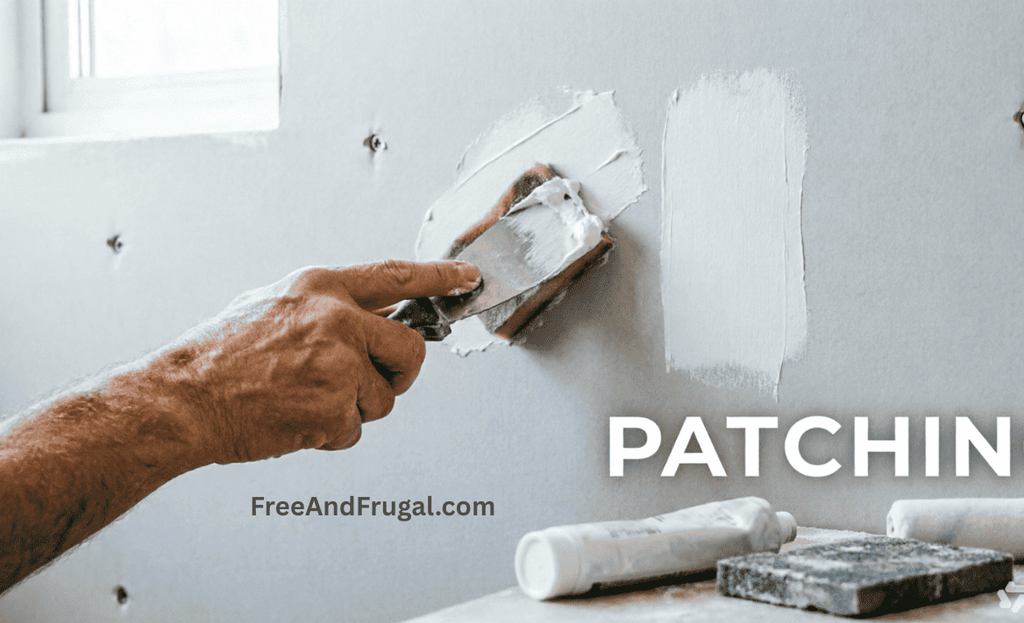
small holes — nail holes, small screw holes — need basically nothing. spackle, which comes in a little tub, a putty knife or even just your finger, sand lightly when dry, paint over. done in a day if you count drying time.
medium holes, like if a doorknob went through a wall or something (not saying that happened to me), need a patch kit from the hardware store. they come with instructions. follow them. it’s not hard, just more steps. the hardest part is getting the texture to match if your walls have texture, but if you’re just going for “not obviously a hole anymore,” you’ll get there.
i once patched seven holes in an afternoon before moving out of a place and got my whole deposit back. it was a very good afternoon.
Weatherstripping Doors
this one pays for itself. if you have a door that feels drafty or you can see light coming in around the edges, the weatherstripping is worn or gone. replacing it takes like 20 minutes and costs almost nothing and can actually reduce your heating and cooling bills.
it’s self-adhesive mostly. peel, stick, press. the only thing to watch is that you measure right so you cut pieces the right length. i used scissors my first time. you can use scissors. this is a beginner project in the most literal sense.
a word on tools
you don’t need much to start. honestly. hammer, a few screwdrivers (flathead and Phillips, a couple sizes), measuring tape, level, drill (a basic cordless one, you can find decent ones for $40-$60 and they’ll last years), utility knife. that’s it. that’ll cover probably 80% of what’s on this list and a lot more.
i built up my collection slowly. bought stuff when i needed it for a specific project rather than buying a set all at once. that worked better for me because i actually knew what each thing was for.
The part Nobody Tells you
the first time you do any of these things it will take longer than it should. probably twice as long. maybe three times. that’s not failure, that’s just how it is. the second time is faster. the third time you’re not even thinking about it.
the other thing nobody says: you’ll mess something up. it might be a little mess-up or it might be a medium one. it probably won’t be a catastrophic one if you’re doing the stuff on this list. and when you fix whatever you messed up, or when you just look at the thing you made or fixed or changed, there’s a feeling that’s kind of hard to describe.
it’s not pride exactly. or it is pride but a different kind. like. quiet pride. the kind you get when you know you did a thing and the thing is still there doing its job and you did that.
start with one thing. just pick one. the shelf, the paint, the toilet flapper. do it this weekend. see what happens.
Conclusion
DIY home projects don’t have to be complicated or expensive. Simple tasks like painting a wall, fixing a running toilet, or patching small drywall holes are great starting points for beginners. With the right tools, basic instructions, and a little patience, you can handle many small home improvements yourself and save money along the way. Start with simple projects, learn as you go, and always know when a job is better left to a professional.
What are the easiest DIY home projects for beginners?
Painting a room, patching small drywall holes, changing cabinet hardware, fixing minor leaks, and installing simple shelves are good beginner-friendly projects.
Do I need special tools for DIY home projects?
Most basic projects only require simple tools such as a screwdriver, hammer, measuring tape, drill, putty knife, and paint supplies.
Can DIY projects really save money?
Yes. Handling simple repairs and improvements yourself can reduce labor costs, especially for small jobs.
How do I know if a project is safe to do myself?
Start with simple, low-risk tasks. Avoid electrical, gas, major plumbing, or structural work unless you have the proper knowledge and qualifications.
What should beginners do before starting a DIY project?
Understand the steps, gather the correct tools and materials, protect the work area, and follow safety instructions before beginning.