
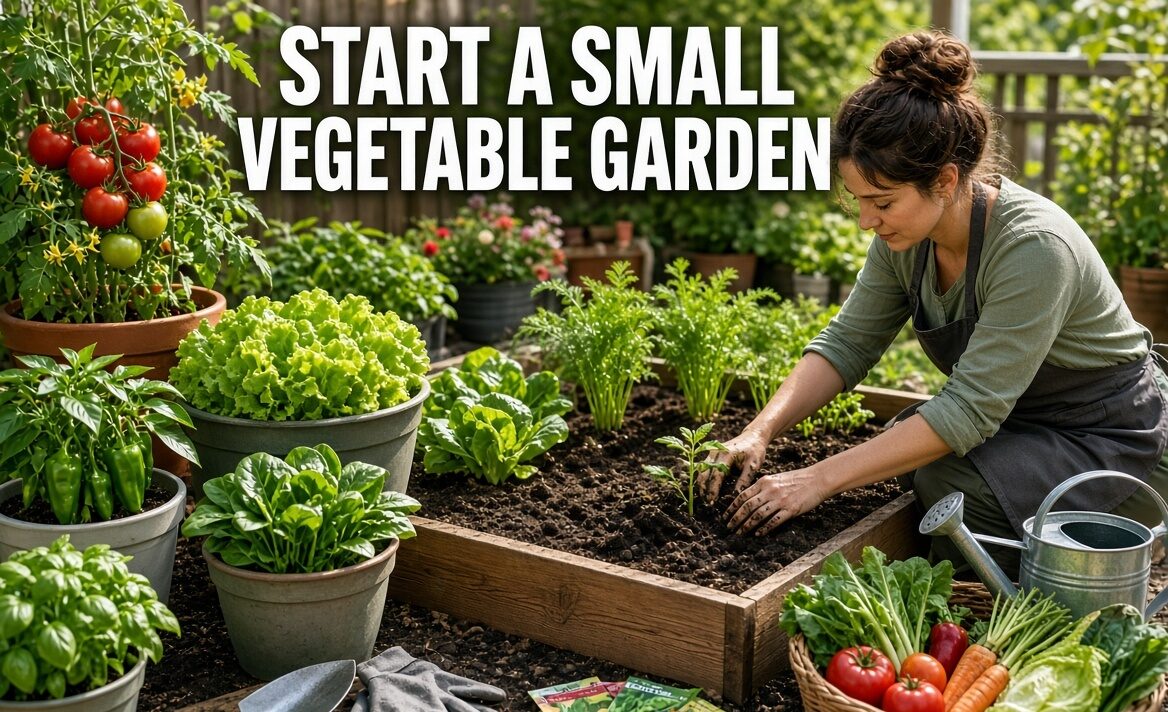
Okay, so I’m gonna be real with you — I had absolutely zero business trying to start a Vegetable Garden at Home. I grew up in an apartment. My mom kept one sad money plant on the balcony that somehow survived twenty years without anyone really watering it. That was the extent of my “gardening experience.”
But then one summer I decided I was going to grow my own food. Partly because tomatoes at the store were getting stupidly expensive, partly because I saw some aesthetic Instagram reel of a woman in a linen apron harvesting cherry tomatoes and thought yeah, I could do that. I could not do that. Not at first, anyway.
First Thing: Stop Overthinking the Space
I spent like two weeks convinced I couldn’t start because I didn’t have a yard. I have a balcony. That’s it. Maybe 40 square feet if I’m being generous.
turns out that’s more than enough.
you can grow vegetables in pots, in old plastic crates, in those black grow bags you see everywhere now, in buckets you got from a hardware store. the container itself doesn’t matter as much as people make it seem. what matters is that it has drainage holes at the bottom. if water sits in the soil with nowhere to go, roots rot. I learned this the hard way with my first tomato plant which I drowned like an idiot.
if you have a balcony or a terrace, even a sunny windowsill — you have enough space to start. don’t wait for the perfect setup. perfect setup is a lie people sell you.
Start With the Easy Stuff. Please.

this is where I went wrong first. I watched a YouTube video of some guy growing watermelons in his backyard and I thought — yeah let me do that. I live in a city apartment. I do not have the space or the patience or apparently the skill level for watermelons.
start with things that are hard to kill and grow fast. fast is important because you need to see results or you’ll quit.
spinach and methi (fenugreek) — these grow in like 3-4 weeks. you scatter seeds, water them, and they just come up. even I managed this eventually. great for small pots, don’t need a ton of sun.
cherry tomatoes — more sun needed but incredibly satisfying. once a tomato plant gets going it kind of takes over and you feel like a genius.
chillies — honestly almost impossible to kill. they’re low maintenance, they produce for months, and you’ll never need to buy chillies from the market again which feels amazing.
radish — weirdly fast. ready in 25-30 days. if you want to feel accomplished quickly, grow radishes.
coriander/dhania — tricky to germinate but once it’s going it’s fine. scatter seeds densely, don’t cover too deep.
avoid starting with cauliflower, brinjal, or anything that takes 90+ days. you’ll lose motivation before anything happens.
Soil Is the Part Everyone Skips and Then Wonders Why Their Plants Look Sad
I used regular garden soil from outside my building the first time. it was heavy, clay-like, and it basically turned into a brick when it dried out. nothing grew in it except some fungus.
what you want is potting mix — the light fluffy stuff you get at any nursery. it drains well, has the right nutrients to start, and your plant roots can actually move through it without struggling.
I use a mix of potting soil + cocopeat + some compost. cocopeat helps retain moisture without waterlogging. compost adds nutrients. the ratio I use is roughly 60% potting mix, 20% cocopeat, 20% compost. I’m not measuring it with a scale or anything, just eyeballing it, and it works fine.
if you’re in a city, most nurseries sell readymade vegetable potting mix. just buy that and don’t overthink it. seriously.
ALSO READ: What Are the Easiest DIY Home Projects for Beginners?
Watering — The Thing I Got Wrong For Months
I overwatered everything for the first three months. I thought I was being caring. I was drowning my plants.
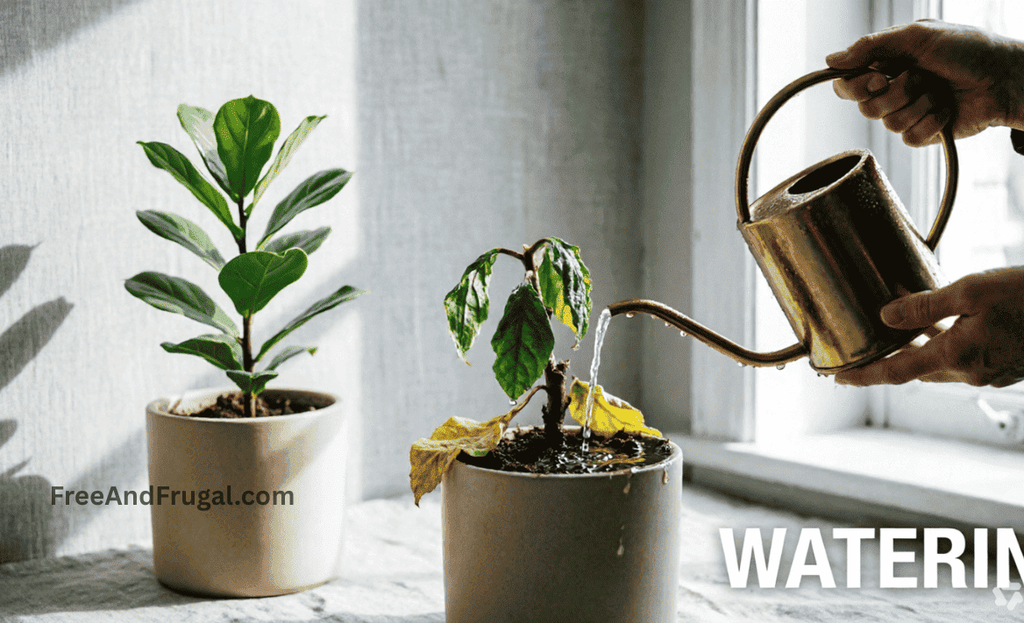
the rule is simple but feels counterintuitive: water when the top inch of soil feels dry. stick your finger in. literally just push your finger into the soil about an inch deep. if it’s dry, water. if it’s still damp, wait.
most vegetables don’t need water every single day. especially in pots with good drainage, every 2-3 days is often enough during cooler months. in summer heat you might need to water every day or even twice a day because containers dry out fast.
morning watering is better than evening. gives the plant the whole day to use that water. evening watering leaves moisture sitting on leaves overnight which can cause fungal issues.
I also learned to water at the base of the plant, not all over the leaves. leaves don’t drink water. roots do.
Sunlight Is Non-Negotiable
this is the one thing you actually can’t fake. vegetables need sunlight. most of them want 6+ hours of direct sun per day.
if your balcony faces north and gets almost no sun — I’m sorry, you’re going to struggle with most vegetables. you can try leafy greens like spinach which tolerate partial shade, but fruiting vegetables like tomatoes and chillies will just sit there and look at you sadly without producing anything.
south or west facing balconies are usually good. east facing gets morning sun which works for many plants. before you plant anything, actually observe your space for a day. where does the sun hit? for how long?
I had to rearrange my entire balcony setup because I assumed the corner near the railing got the most sun. it didn’t. the middle area near the wall actually got better afternoon sun. I only figured this out after like two months of wondering why one plant was thriving and the other was sulking.
Fertilizing — You Don’t Need to Get Complicated
once your plant is growing, it’ll eventually use up the nutrients in the potting mix. that’s when growth slows down or leaves start looking pale yellow.
you don’t need expensive fertilizers. compost works great. I add a handful of dry compost around the base of each plant every 3-4 weeks. if you’re okay with it, kitchen compost — vegetable peels, leftover chai grounds, crushed eggshells — is free and excellent.
for tomatoes specifically, once they start flowering, they need a bit more phosphorus and potassium. banana peel liquid fertilizer sounds like Instagram nonsense but actually works — soak banana peels in water for 2-3 days, dilute it, water your plants with it. I felt ridiculous the first time I did it but my tomato plant went absolutely nuts after that.
Pests Are Going to Happen. Don’t Panic.
you’re going to find some bug on your plant at some point. this is normal. plants in pots on balconies get fewer pests than ground gardens but they still get them.
most common ones I’ve dealt with:
whiteflies — tiny white insects under leaves. neem oil spray once a week handles them.
aphids — small green or black clusters on stems. same thing, neem oil. or you can just blast them off with water.
caterpillars — sometimes you’ll find one chewing through your spinach. pick it off by hand. yes it’s a bit gross. it takes three seconds.
the neem oil spray I use is just — neem oil, a tiny drop of dish soap to emulsify it, water. mix it up, spray on affected plants in the evening. the soap helps it stick. don’t spray in harsh afternoon sun, it can burn leaves.
ALSO READ: How can I make homemade cleaning products?
The Part Nobody Tells You: It Actually Changes How You Cook
okay this sounds cheesy but it’s real. when you grow your own vegetables — even just chillies, some methi, a few tomatoes — you start actually looking at them differently when you cook. you notice the freshness. my mom tasted a tomato I grew and was like “this doesn’t taste like a tomato from the market” and she was right, it didn’t. it tasted like something.
there’s also something kind of grounding about it. you water the plant in the morning before work, you check on it, you notice new leaves coming up. it’s a tiny thing but it adds something to your day that mindlessly scrolling doesn’t.
I’m not going to tell you it’s easy or that your first attempt will be perfect because mine definitely wasn’t. but I will tell you that the learning curve is short. by your second season you’ll already know so much more than you did in the first. you’ll know which corner of your balcony has the best sun, how often your pots dry out, which plants you actually use in the kitchen versus the ones you grew because they seemed cool.
start small. one or two pots. something that grows fast so you feel the win. and then keep going from there.
you’ll figure it out. even I did, and I killed spinach in three days.
Conclusion
In conclusion, starting a small vegetable garden at home is a simple and rewarding way to grow fresh, healthy vegetables. With a little space, proper sunlight, good soil, regular watering, and basic care, anyone can grow vegetables successfully. It not only provides fresh produce but also saves money, reduces stress, and brings us closer to nature. A small home garden can be the first step toward a healthier and more sustainable lifestyle.
What vegetables are easiest to grow at home?
Tomatoes, spinach, radishes, carrots, chilies, and lettuce are some of the easiest vegetables to grow at home.
How much space do I need for a small vegetable garden?
You can start with a small area, balcony, terrace, or even a few pots and containers.
How much sunlight does a vegetable garden need?
Most vegetables need around 6–8 hours of sunlight each day for healthy growth.
How often should I water my vegetable garden?
Water the plants regularly when the soil feels dry, but avoid overwatering.
Can I grow vegetables in pots?
Yes, many vegetables can be easily grown in pots or containers with good soil and proper drainage.