
Let me tell you about a conversation I had with myself about six months ago.
I was looking at my bank account after a perfectly normal month — nothing crazy, no emergencies, no big splurges — and I had almost nothing left. Not because I was broke, exactly, but because money kept leaving and I kept not noticing until it was gone.
I didn’t want to read a 40-step guide to financial transformation. I wanted fast wins. Things I could do this week that would actually make a difference.
Here’s what I found.
Pull Up Your Bank Statement Right Now
Not tomorrow. Now.
Scroll through the last two months of transactions and look specifically for anything that’s recurring — monthly charges that hit automatically without you doing anything. Most people find at least two or three things they’d completely forgotten about.
A streaming service from a free trial that quietly converted. A premium app subscription that renewed and you never noticed. A gym membership you haven’t used since a Tuesday in February. A “small” monthly fee that you meant to cancel eight months ago.
Cancel them all. Today.
This is the single fastest money-saving action you can take, because it requires one hour of your time and then saves you money every single month forever, with zero ongoing effort.
Research shows that people underestimate what they’re spending on subscriptions by over $100 a month on average. The money is literally just leaving your account and delivering nothing in return.
Call Your Bill Providers and Just Ask
This one feels awkward. Most people assume that what they’re paying is the rate, that’s it, non-negotiable.
It’s not.
Call your internet provider. Call your insurance company. Tell them you’ve been a customer for X years and you’d like to know if there’s a better rate or any current promotions you qualify for. That’s it. That simple sentence.
Companies would rather give you a small discount than lose you as a customer entirely. They have retention deals that aren’t advertised anywhere. You only get access to them by asking.
A single phone call can result in savings that add up to thousands over a year. And if they say no? You’ve lost nothing but 20 minutes. That’s a pretty good risk-reward ratio.
Sell the Stuff You Own But Don’t Use
Walk around your home and really look at it.
Old phone sitting in a drawer. Clothes you haven’t worn in over a year. Books you’ll never read again. A camera, some sporting equipment, a gadget that seemed exciting at the time. All of it is worth something to someone else.
Listing things on OLX, Facebook Marketplace, or local selling groups takes ten minutes. This isn’t a permanent income strategy — it’s a one-time cash injection that also happens to clear out your space.
The money you make from stuff you already own is probably more than you think.
Try Two Weeks of No Outside Food
Just two weeks. That’s the challenge.
No restaurants, no food delivery apps, no grabbing snacks outside. Cook at home or bring food from home for every meal.
Most people don’t realize how much they’re spending on outside food until they stop. The delivery app charges alone — the platform fee, the delivery fee, the tip, the small-order minimum surcharge — can add up to several times the actual food cost.
Track what you spend on groceries during those two weeks and compare it to what you’d normally spend on combined eating out and groceries. The gap is usually significant.
After the two weeks, you can go back to whatever you want. But you’ll have a much clearer picture of where your food money actually goes.
The 24-Hour Rule for Non-Essential Buys
Any time you want to buy something that isn’t food, medication, or a genuine necessity — wait 24 hours before purchasing.
Add it to your cart. Close the tab. Go do something else.
About 60-70% of the time, you’ll check back the next day and realize you don’t actually want it anymore. The feeling that made it seem essential was temporary. The 24-hour rule makes that obvious without requiring any willpower in the moment.
This works especially well for online shopping, where adding to cart is designed to be frictionless and the checkout is optimized to be as fast as possible. Build in your own speed bump.
Switch to Cash for One Spending Category
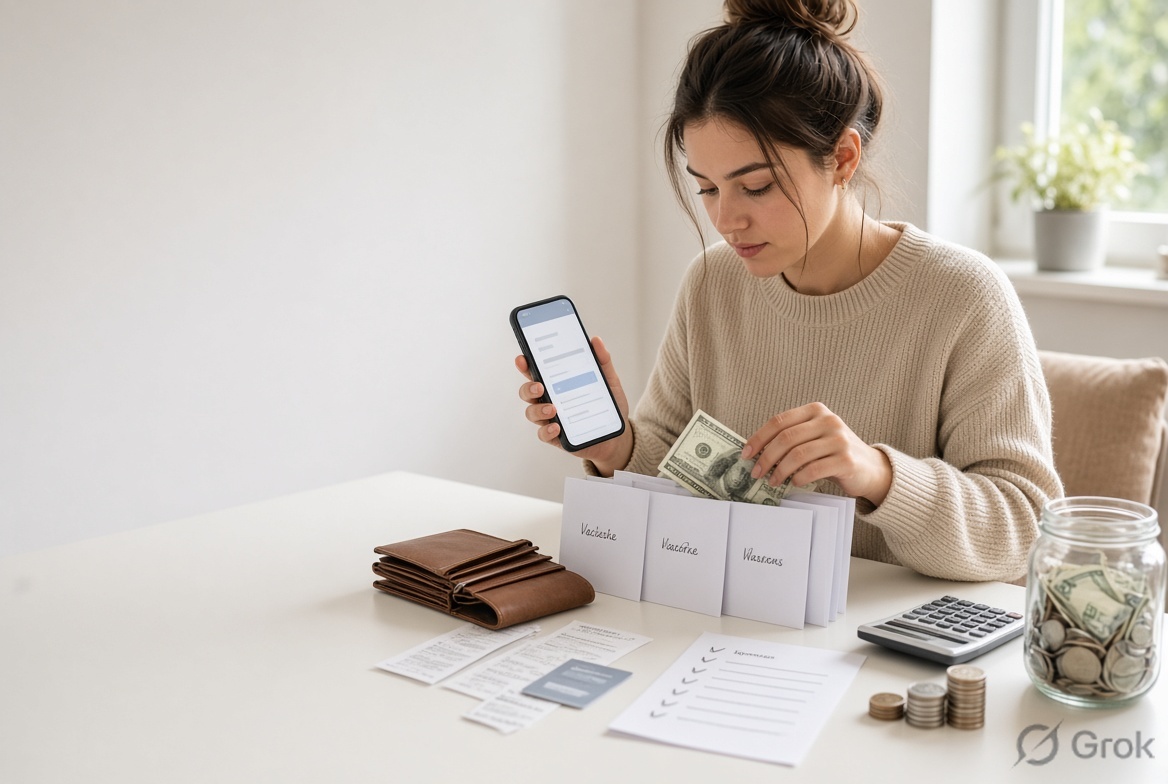
Pick one area where you tend to overspend — eating out, entertainment, shopping — and take out a fixed amount of cash for it each week.
When the cash is gone, that’s it for the week.
Physical money feels different from tapping a card. The act of handing over notes creates a small but real moment of friction that makes you think before spending. It’s not about deprivation. It’s about bringing awareness to spending that has become invisible and automatic.
None of these require a complete lifestyle change. They’re just small adjustments that stack up into real savings, without making you feel like you’re suffering.
Pick one this week. Just one. Then add another next week. That’s how it actually works.
Also Read: How Can I Save Money on Groceries Every Month?
Conclusion
In conclusion, saving money fast is possible by cutting unnecessary expenses, setting a clear savings goal, avoiding impulse purchases, and tracking your spending. Small changes made consistently can help you save more money and reach your financial goals faster.
What is the easiest way to save money quickly?
Start by reducing unnecessary spending and setting aside a fixed amount of money from every income.
How can I save money every day?
Avoid impulse purchases, reduce eating out, compare prices, and track your daily expenses.
Should I make a monthly budget?
Yes. A simple budget helps you understand where your money goes and find areas where you can cut costs.
How can I stop spending too much?
Set spending limits, avoid unnecessary shopping, and wait before buying things you do not really need.
Can small savings make a difference?
Yes. Saving small amounts regularly can add up to a significant amount over time.